Olympic History
It's easy to get caught up in the spectacle and entertainment that the Olympic Games provide every two years, but let's not forget that this event has deep roots in our history. The Olympic Games have a long and fascinating history shaped by tradition, ambition, and plenty of reinvention. From their ancient beginnings to their modern global reach, they have repeatedly adapted to the world around them. Here are five historical facts that show how the Games became what we know and love today.
1) Ancient Origins in Olympia
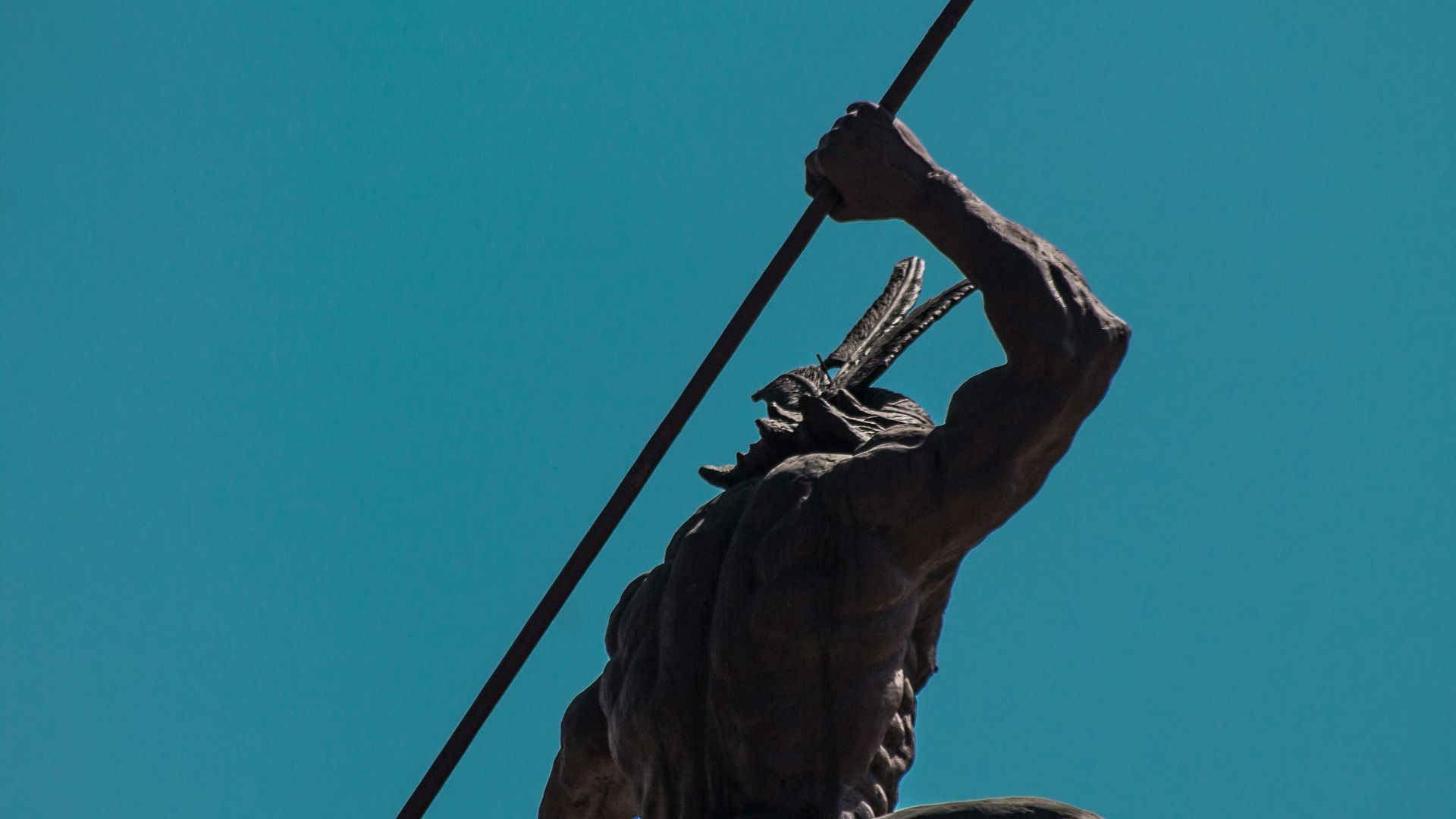
The concept of the Olympics has been around for much longer than you might've guessed! The ancient Olympic Games began in Olympia, Greece, and are traditionally dated to 776 BCE. They were held in honor of Zeus and formed part of a larger religious festival. Back then, only free Greek men could compete, demonstrating important growth in inclusion and equality over the years.
2) A Long Pause Before a Modern Revival
The ancient Games eventually ended, with the last commonly cited edition taking place in the late fourth century CE. For many centuries, no international Olympic-style festival existed! Interest in reviving them grew in Europe in the nineteenth century, and many years later, we now celebrate this event every two years, flipping between winter and summer sports.
3) The Modern Olympics Began in 1896
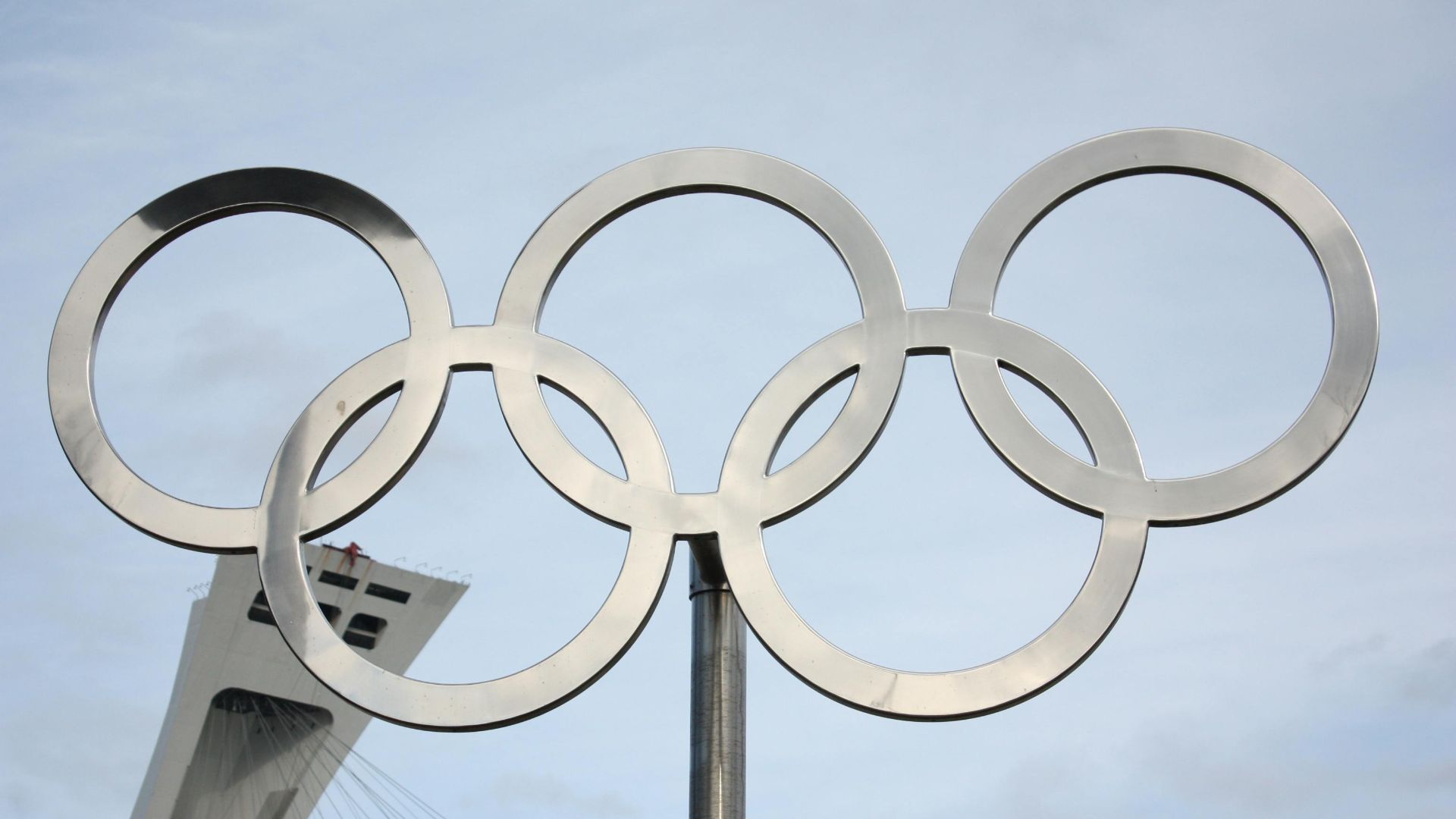
As we just discussed, it took many years before the games were revived. The first modern Olympic Games were held in Athens in 1896, and they were promoted by Pierre de Coubertin and organized through the newly established International Olympic Committee (IOC). The event was modest by today’s standards, but it set the pattern for recurring international competition.
4) The Winter Olympics Arrived Later
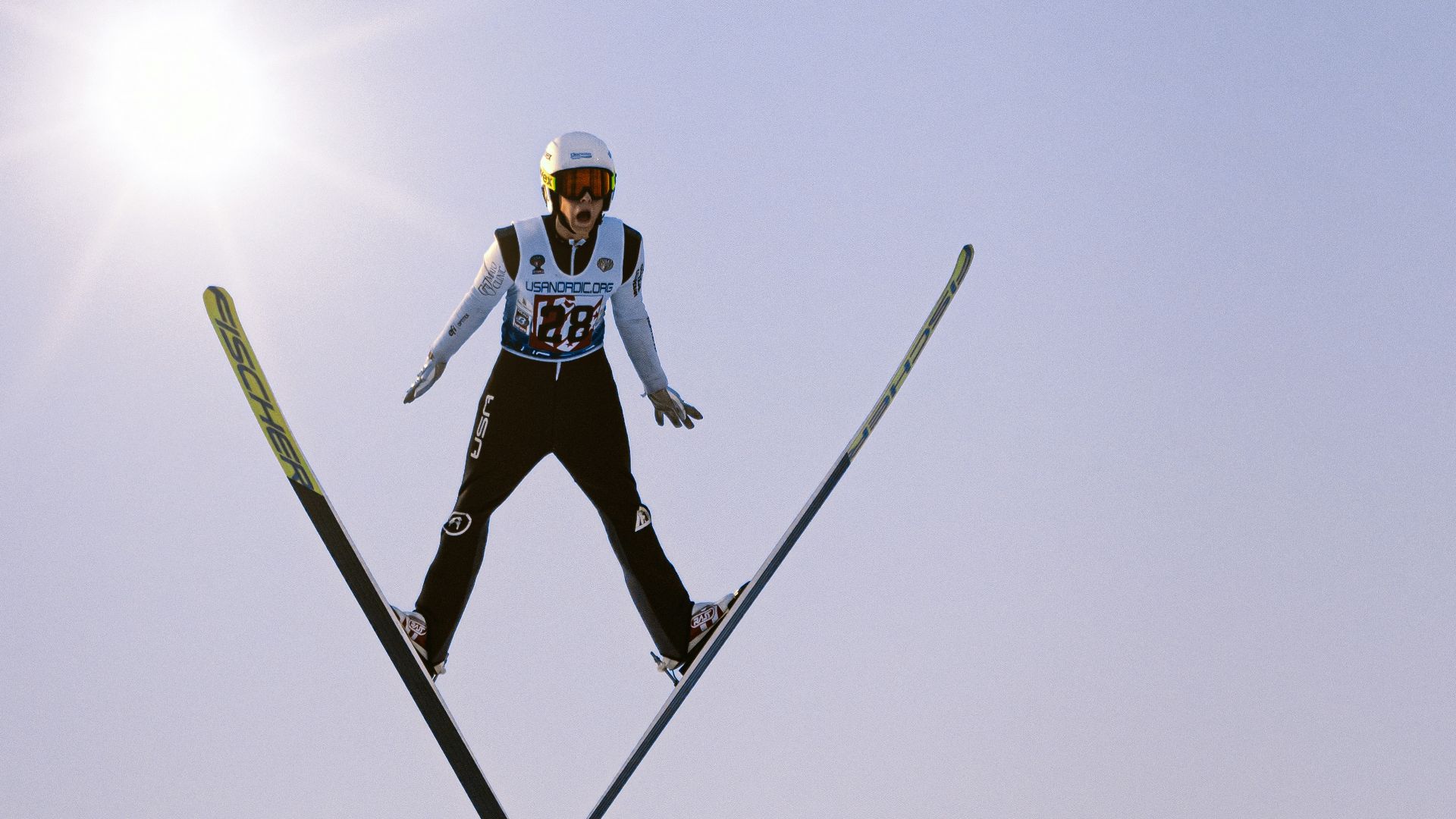
For quite a few years, winter sports were not a part of the games. The separate Winter Olympic Games were first held in 1924, reflecting growing interest in snow and ice events. Over time, the Winter Games developed their own traditions, and today, they're enjoyed worldwide by global audiences.
5) The Olympics Have Been Shaped by World Events
The Olympic Games have been canceled during major global conflicts, most notably during the two World Wars. Political tensions have also influenced participation, leading to boycotts in certain years. Despite these disruptions, the Olympics have continued to come back, likely due to its symbol and status as peace and unity across the globe.