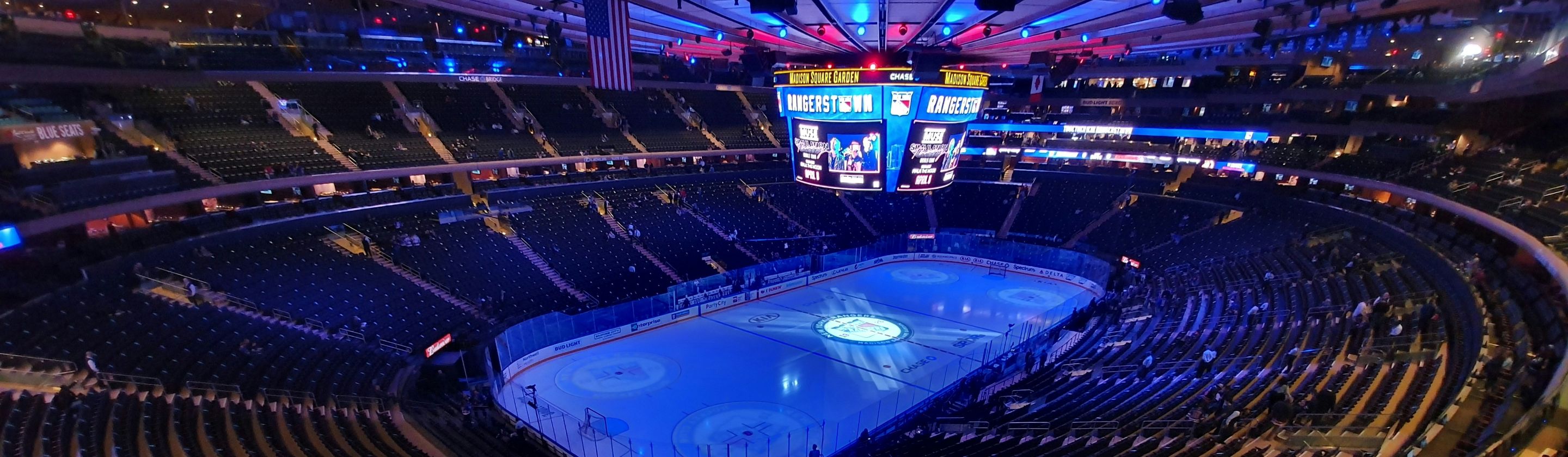
Hockey fans know the sport’s real superpower is evolution. The NHL has tweaked, trimmed, and occasionally overhauled its rules to keep games more watchable, even if that meant forcing everyone to learn new arguments. If you’ve ever wondered why today’s NHL looks so different from old footage, it’s not just equipment and training—it’s the rulebook. Here are five changes that reshaped how the game feels.
Forward Passing Becomes Legal (1929)
Early NHL hockey treated forward passing like a crime, which meant offense had to be built with short carries and lateral movement. Once forward passing was allowed in all zones, the game opened up dramatically, and sudden attacks became a real thing instead of a rare accident. Thank this shift if you enjoy rushes on the ice!
The Red Line Changes the Flow (1943)
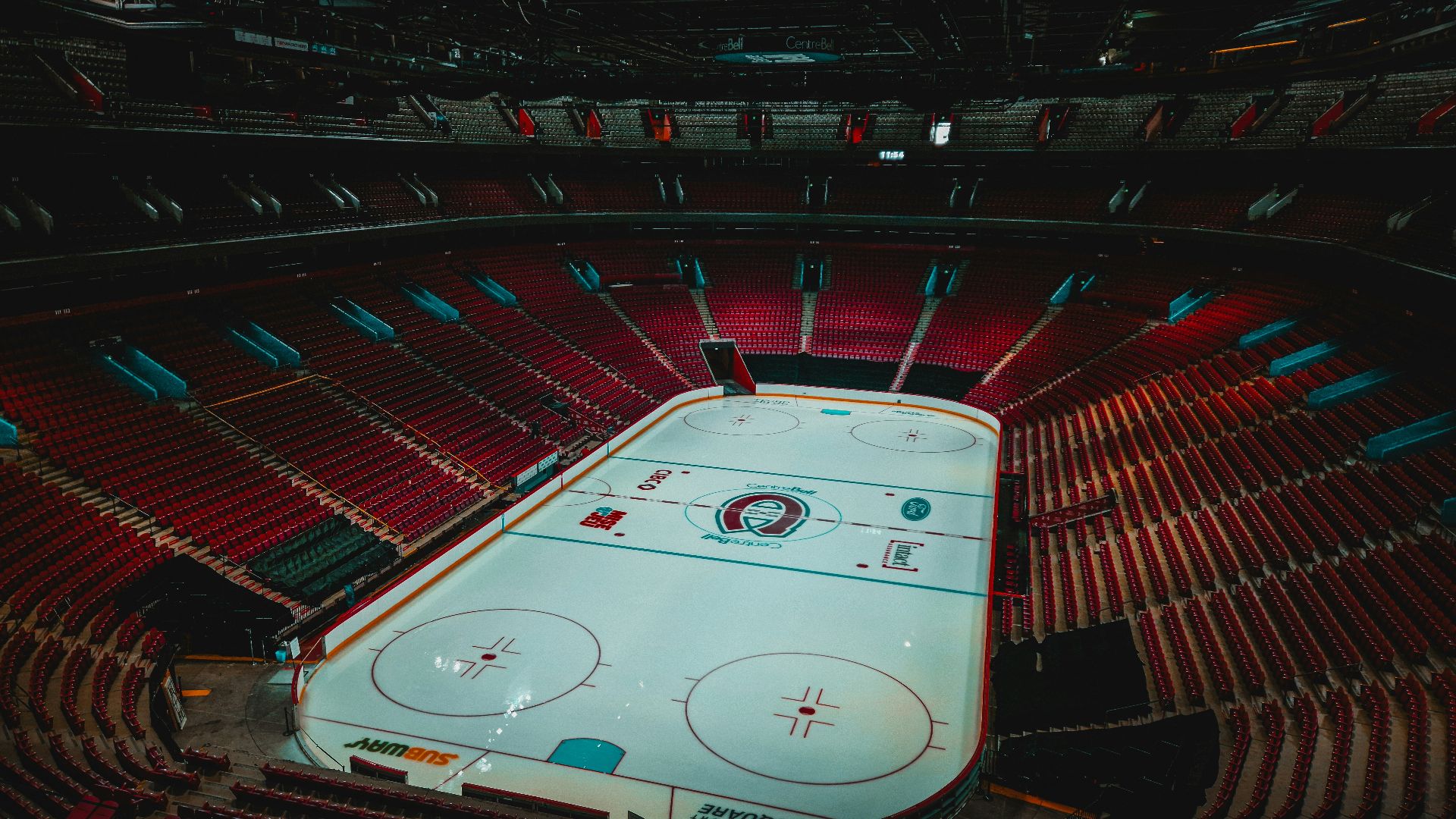
The introduction of the center red line seems simple, but it organized the ice into clearer territory. It also helped structure the sport’s rhythm. By laying the groundwork for future adjustments, teams learned how to break out and defend space.
Icing Gets Teeth (Mid-1950s)
Icing existed in the game’s earlier days, but the key change was making it a stoppage that brought the faceoff back to the offending team’s end. That prevented clubs from lazily firing the puck down the ice as a survival tactic, which, frankly, we’re all thankful for.
The Shootout Arrives (2005–06)
Overtime already had enough on the line, but the shootout gave regular-season games a definitive ending. Purists still debate it, but it undeniably added a made-for-TV jolt. Where you stand all depends on the kind of hockey you enjoy.
Video Review and Coach’s Challenges Expand (2010s)
As cameras got sharper and angles multiplied, the league leaned harder into replay to correct crucial calls. Reviews changed how goals are judged, especially on offside sequences and goalie interference. It can be nerve-wracking, but you’re also watching the NHL trade a little spontaneity for more accuracy.